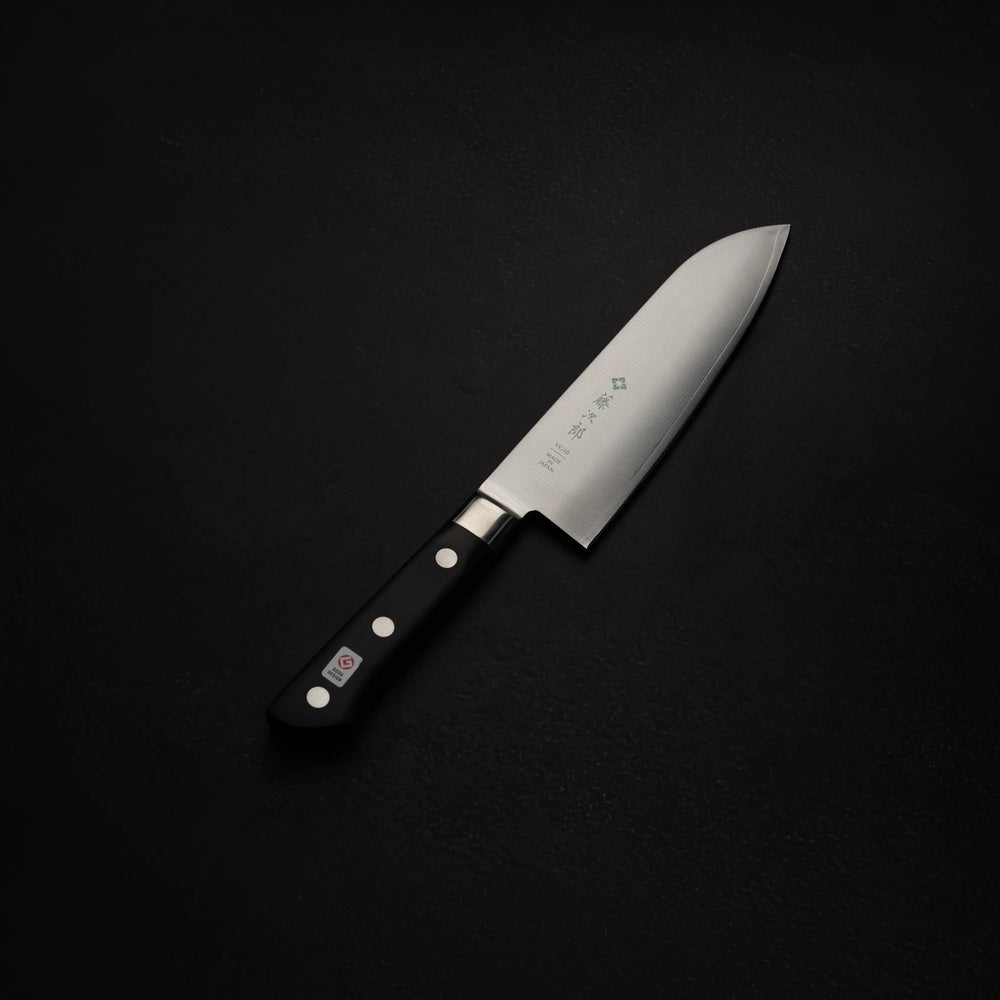
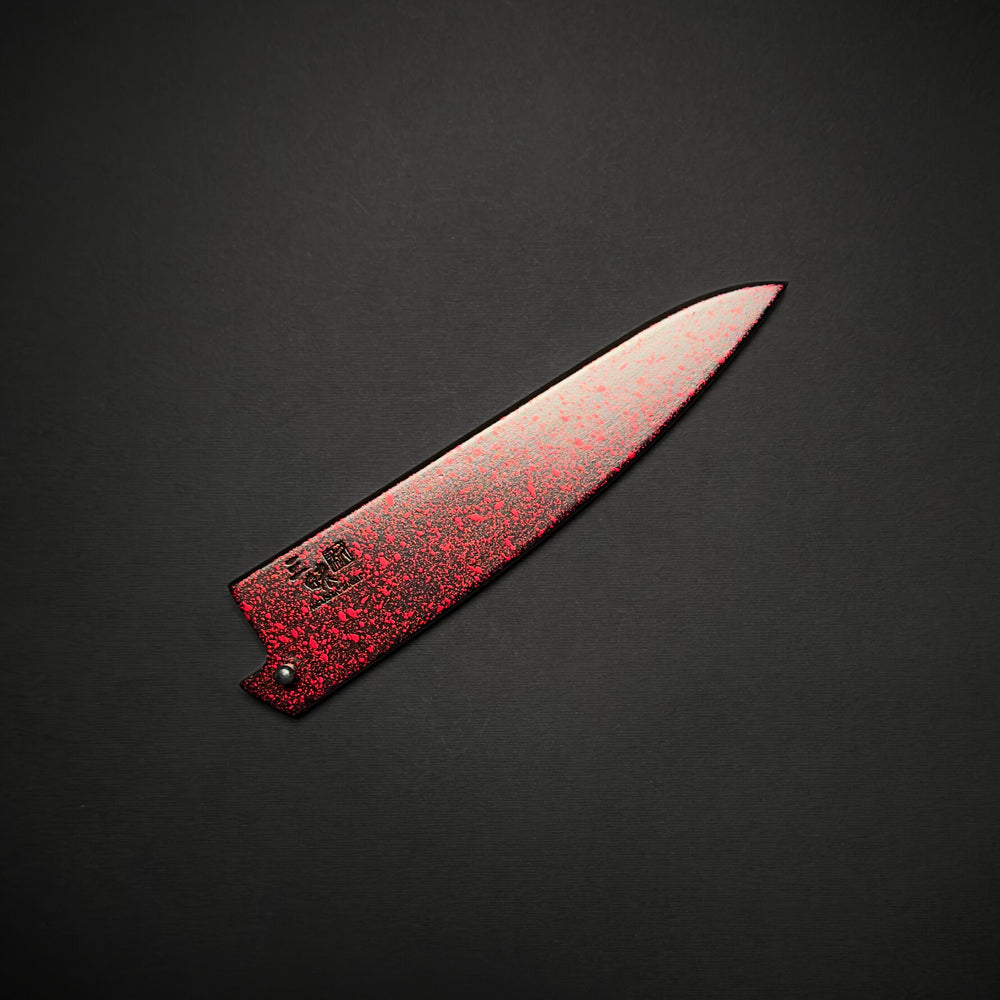
Tsunehisa VG10 Damascus Tsuchime Petty 80mm

Regular price 13,000.00 RSD
Sale price 13,000.00 RSD Regular price
Sold out
Tax included. Shipping calculated at checkout.

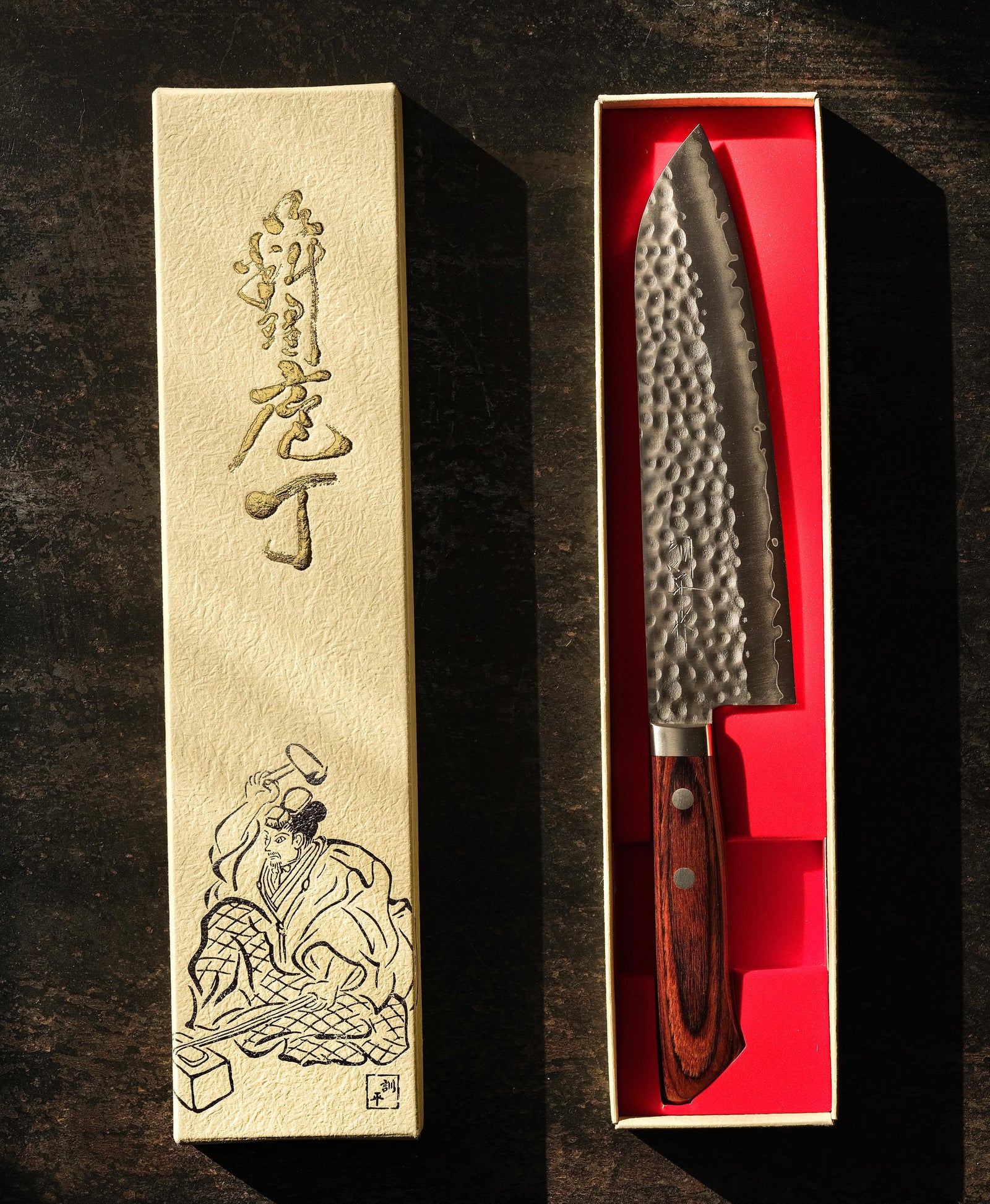
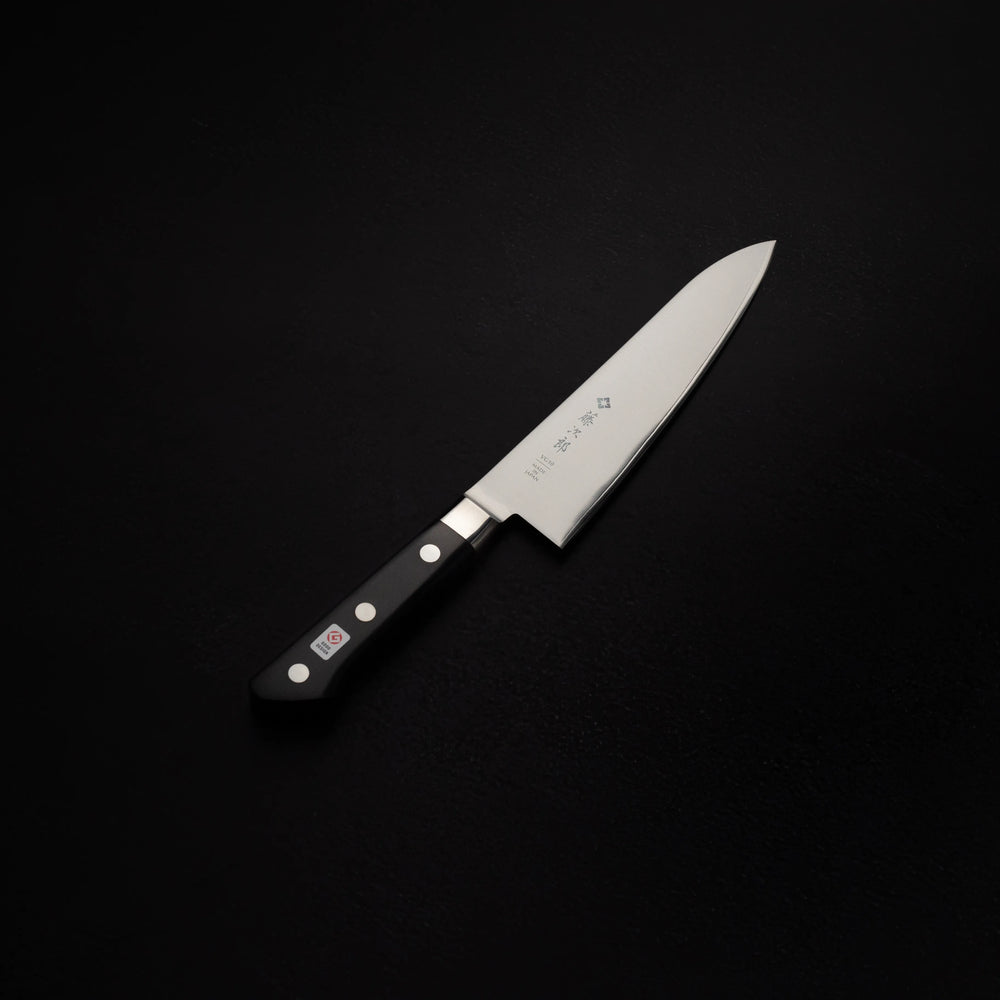
When it comes to hand-forged Japanese knives, this series is considered to offer excellent value for money. The perfect combination of Damascus patterns and forging marks with a European-style handle makes this knife highly desirable among professional chefs and hobbyists.

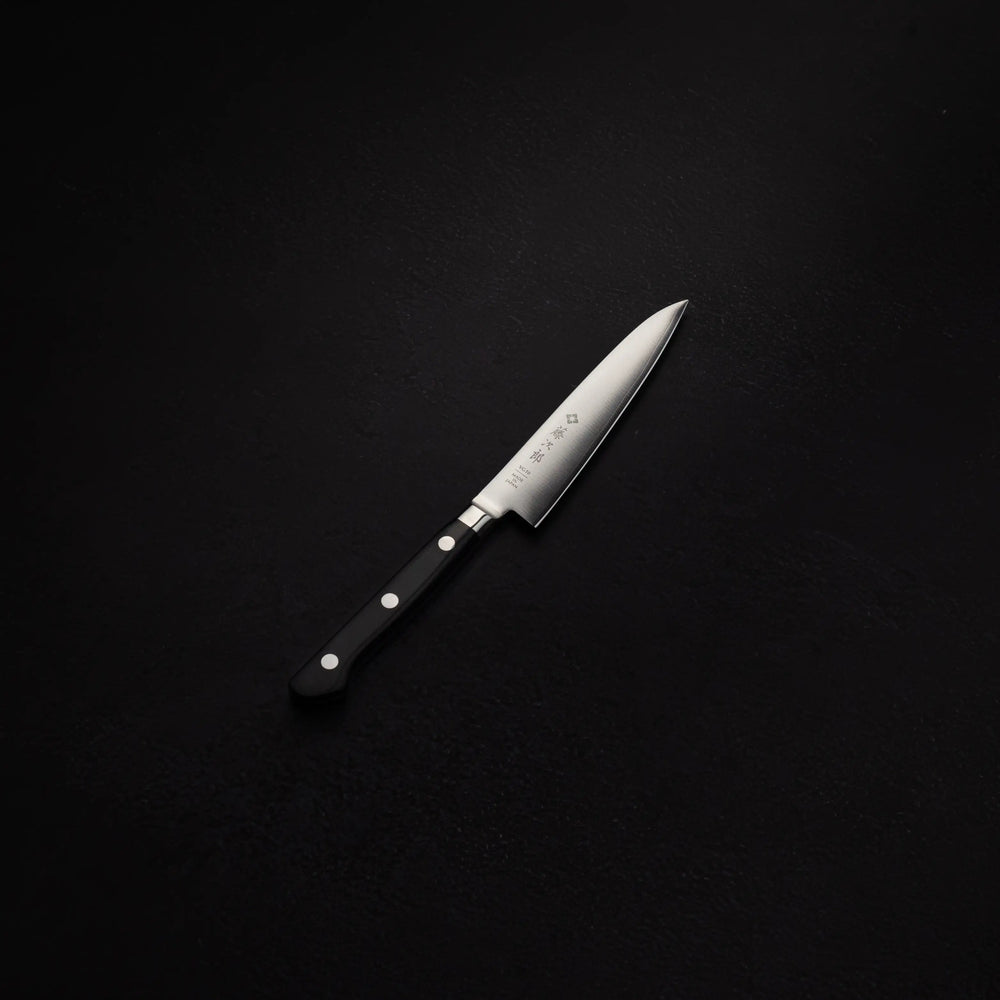
The Petty is a knife shape that should be purchased right after a general-purpose Gyuto or Santoku knife. It is useful for all smaller kitchen tasks, chopping and cleaning fruits and vegetables, deboning meat, or removing sinews. The Petty is often the favorite knife of many chefs.

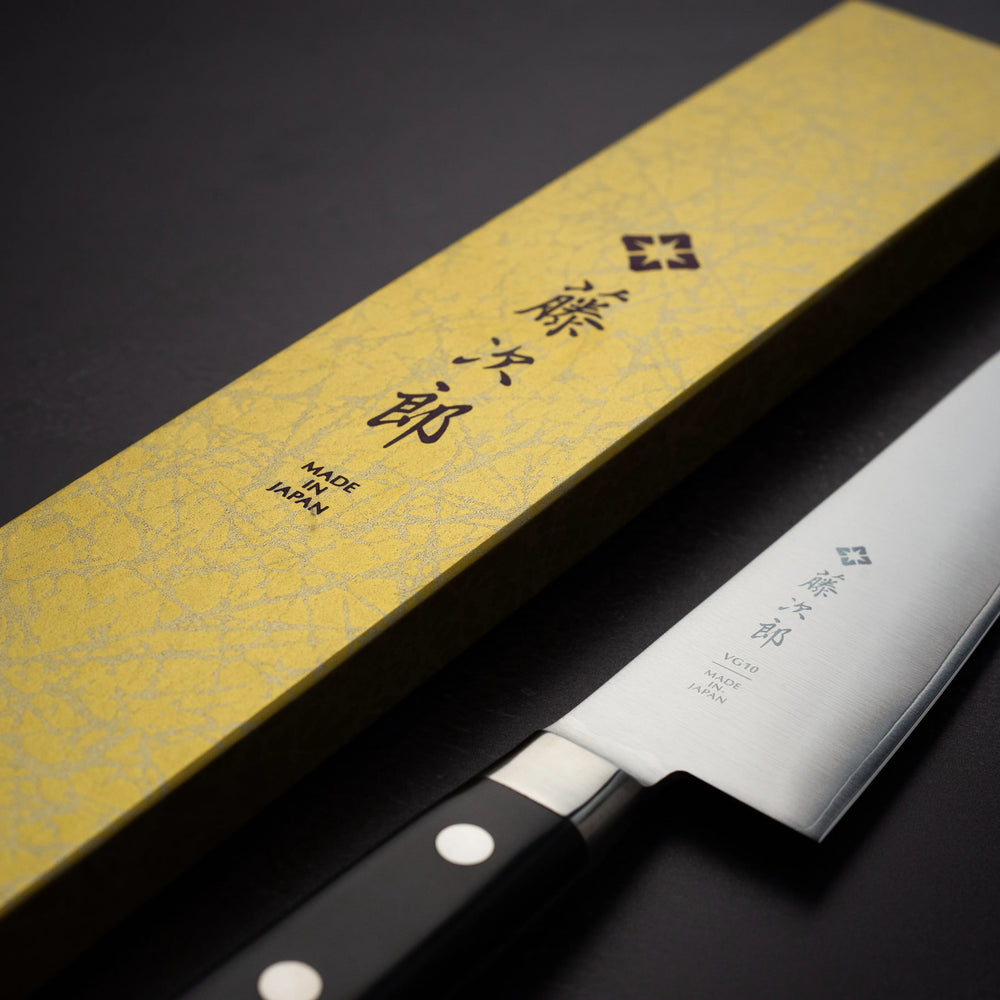
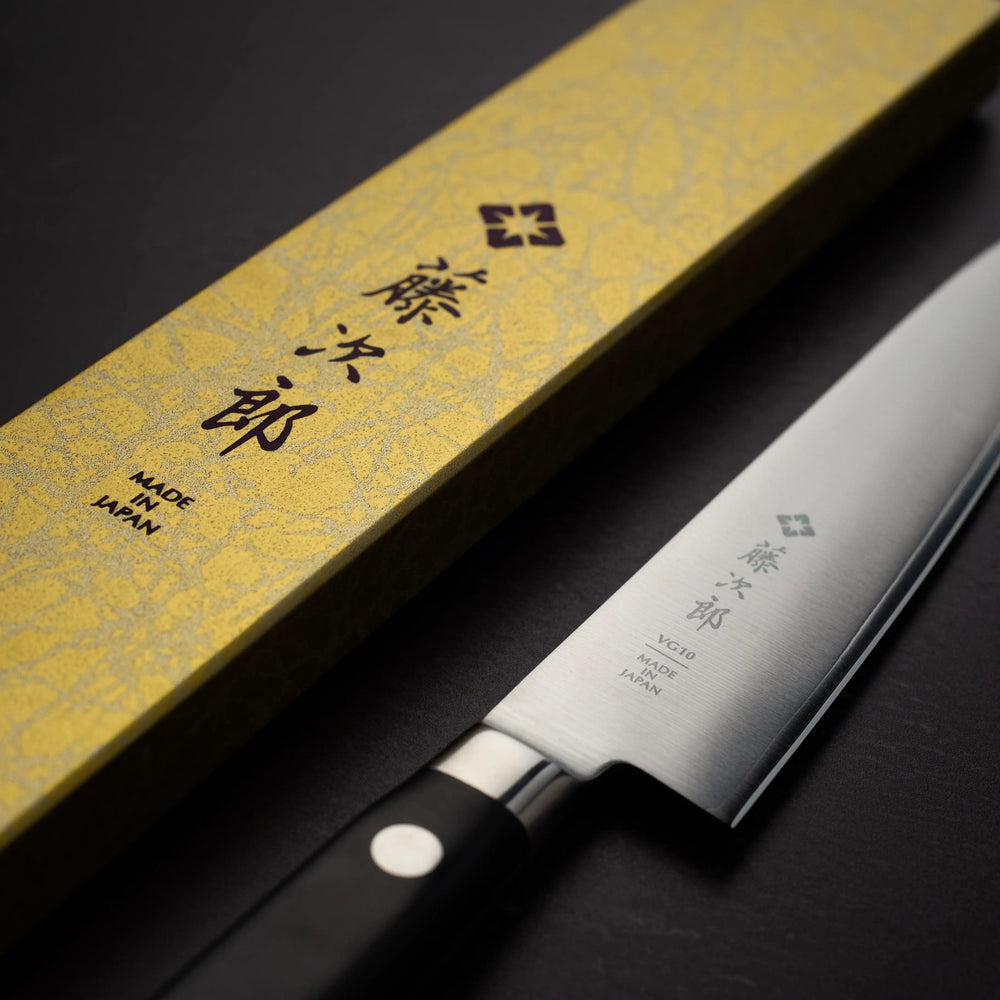
The blade is made of VG10 steel, coated with multiple layers of Damascus and tsuchime forging marks. VG-10 is one of the most popular and highly regarded Japanese stainless steels for kitchen knives. It has strong corrosion resistance and can provide excellent sharpness. In Japanese, "tsuchime" means "hammered," and you will see actual hammer marks on the blade. This finish does two things: it gives the knife an appearance reminiscent of ancient Japanese handcrafted techniques and creates tiny air pockets that prevent a complete vacuum from forming, thus preventing starchy foods like potatoes from sticking to the knife.

The knife handle is made in a European style, from stabilized wood secured with three steel rivets and fastened with a stainless steel bolster welded at the point where the handle and blade meet.

Specifications

Manufacturer: Tsunehisa
Blade type: Petty
Blade length: 80mm
Total length: 197mm
Knife weight: 77g
Blade type: Double bevel
Thickness in the back: 2mm
Steel: VG10
Hardness HRC: 61 ±1

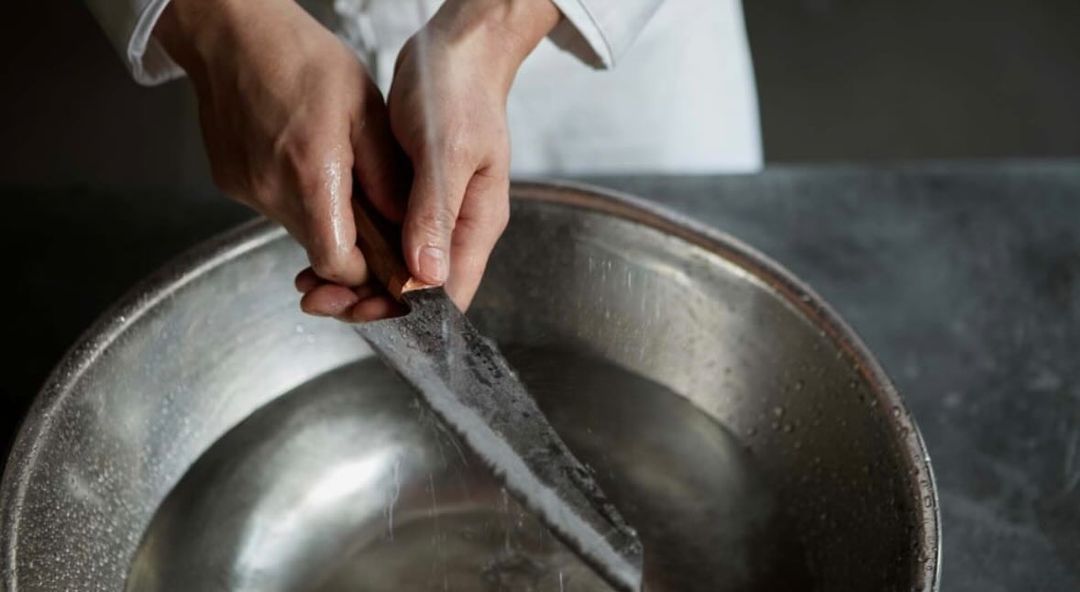
After use, wash the knife by hand with lukewarm water and dry it.
Store the knife in a safe place where it will not collide with other utensils.

The best way to sharpen Japanese knives is by hand on a stone. We offer a professional kitchen knife sharpening service. If you decide to sharpen your knife yourself, take a look at the offer of sharpening stones on the website.

You use your knife to perform the tasks for which it is intended. Do not use it for other purposes.

***AVOID***
- Washing the knife in the dishwasher.
- Cutting frozen foods.
-Cutting extremely hard foods such as bones, parmesan rinds, rinds...
-Opening jars, cans or bottles.
-Using glass boards or cutting on the work surface.

Read more about knife maintenance on our blog: "Maintenance of Japanese knives".

Country of origin: Japan

  • Fast delivery from 1 to 3 days on the territory of Serbia.

  • You can always sharpen your knives with us.

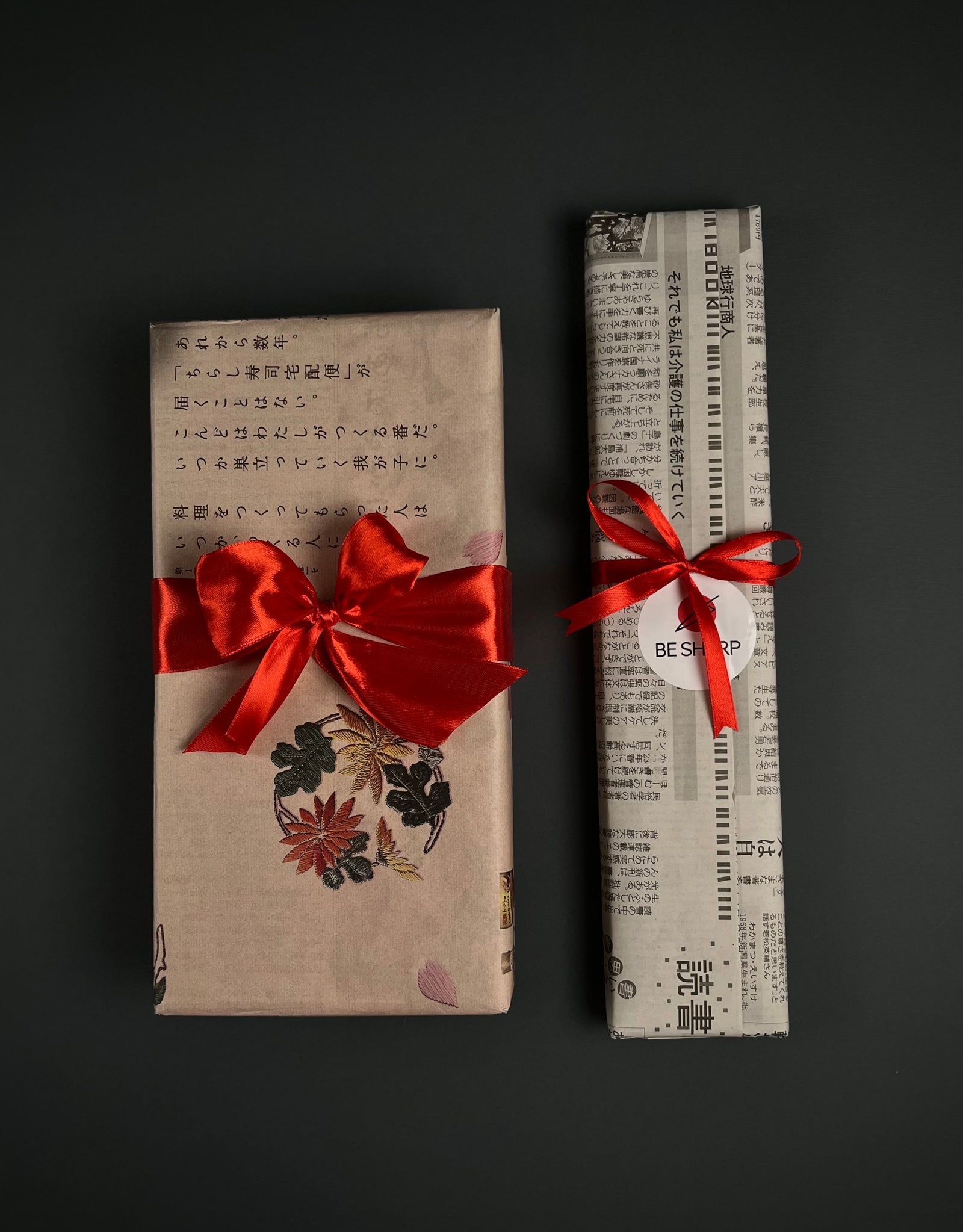
  • Free gift wrapping.

How to choose the first Japanese knife?

If you are buying your first Japanese knife, the advice is to choose a multifunctional blade shape that will cover the widest range of your needs in the kitchen. This includes Gyuto, Santoku and Bunka. The rule is that bigger people need bigger knives and vice versa.

Japanese knife as a perfect gift

Although in the culture of the Far East it is not recommended to give a blade as a gift because of the connection with cutting off good relations, they also could not resist the perfection of such a gift, so they devised a "trick" that allows them to gift knives without problems. Just ask for one coin from the person receiving the gift and in the eyes of strict superstition spirits it will be a fair exchange. Now no joke, a knife is a gift that unlike other transient things will be remembered forever because it will serve forever.

Everything you need to know about maintenance

  • Oštrenje japanskih noževa

    Sharpening Japanese knives

  • Briga i skladištenje

    Care and storage

We recommend for you: