Makoto Kurosaki Kodama Keyaki Santoku 165mm

Regular price 39,200.00 RSD
Sale price 39,200.00 RSD Regular price
Tax included. Shipping calculated at checkout.

Pickup available at Be Sharp Beograd

Usually ready in 24 hours

Makoto Kurosaki Kodama Keyaki Santoku 165mm

  • Be Sharp Beograd

    Pickup available, usually ready in 24 hours

    27. marta
    15
    11060 Beograd
    Serbia

    +381612405551

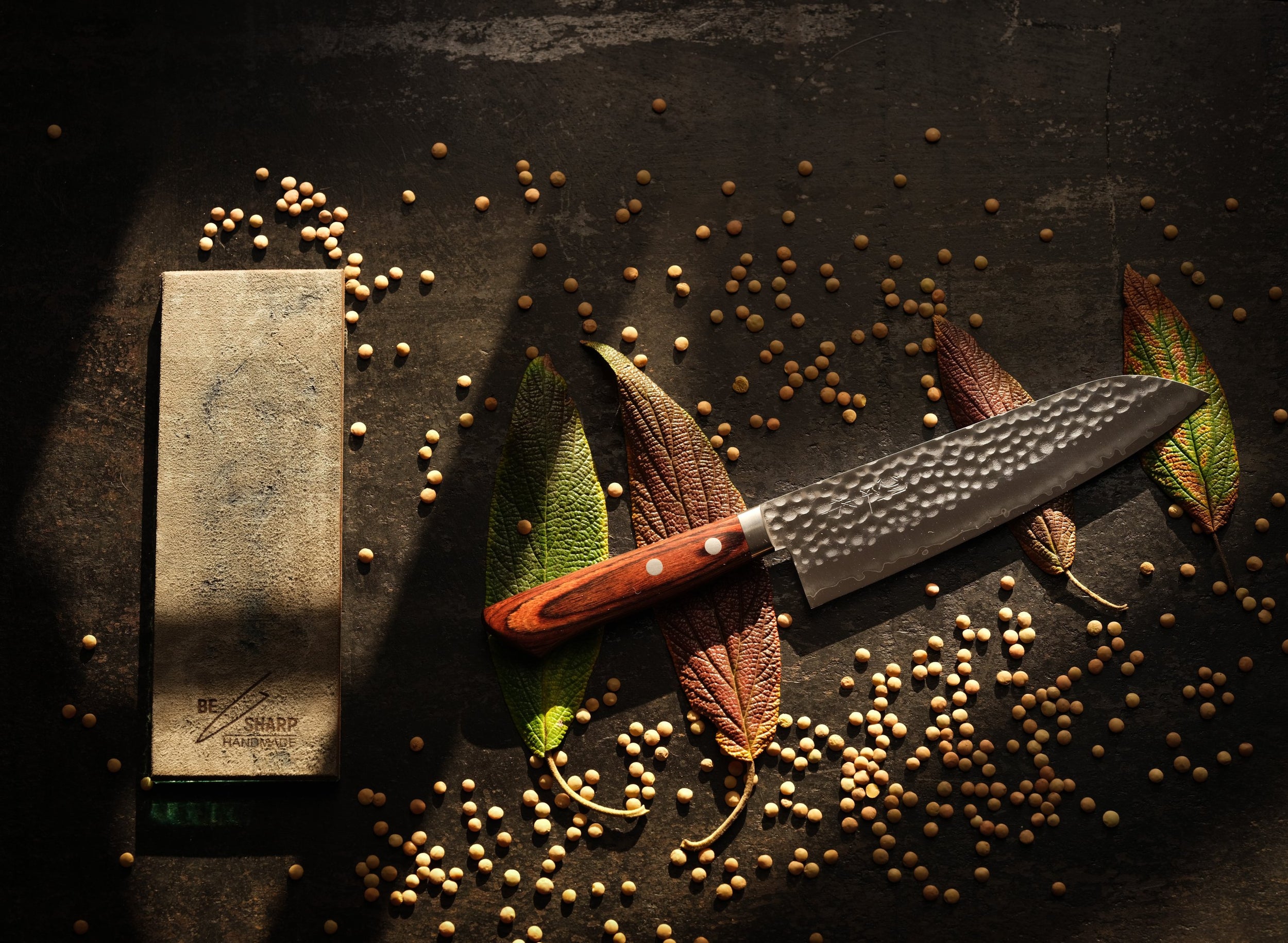
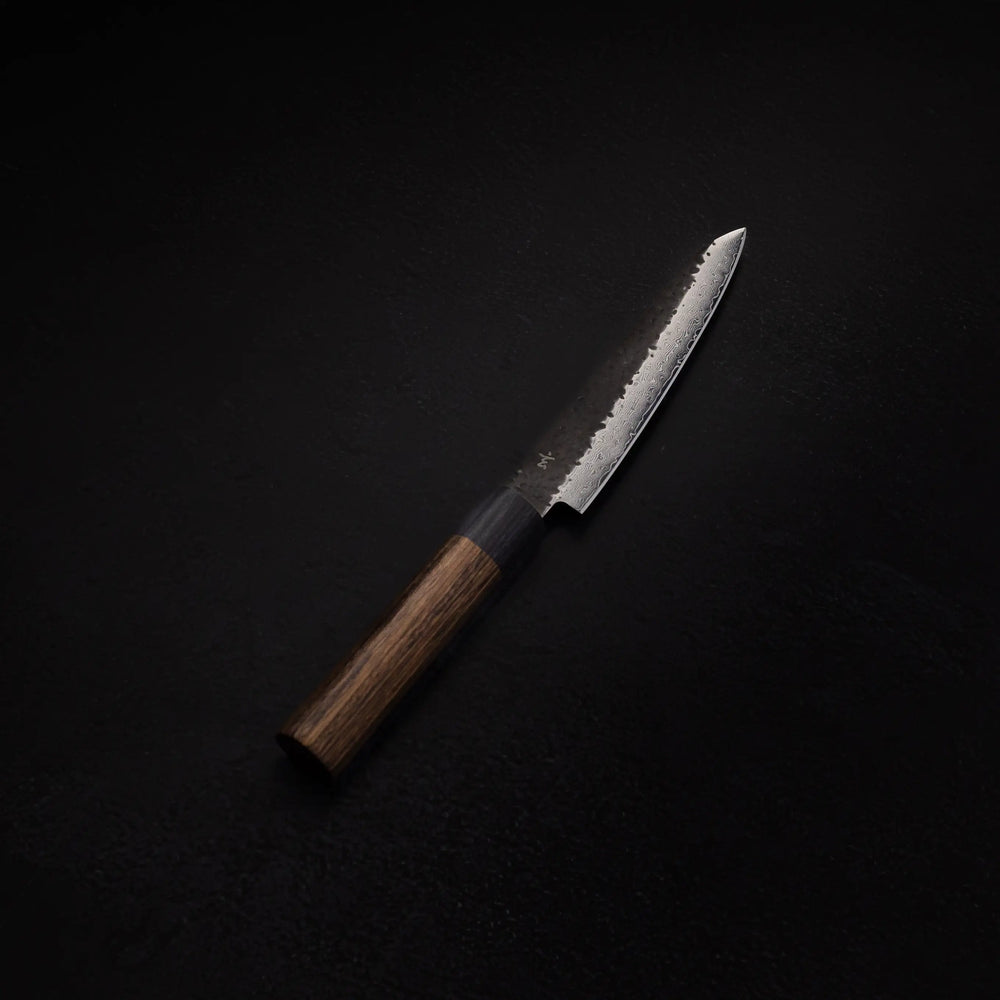
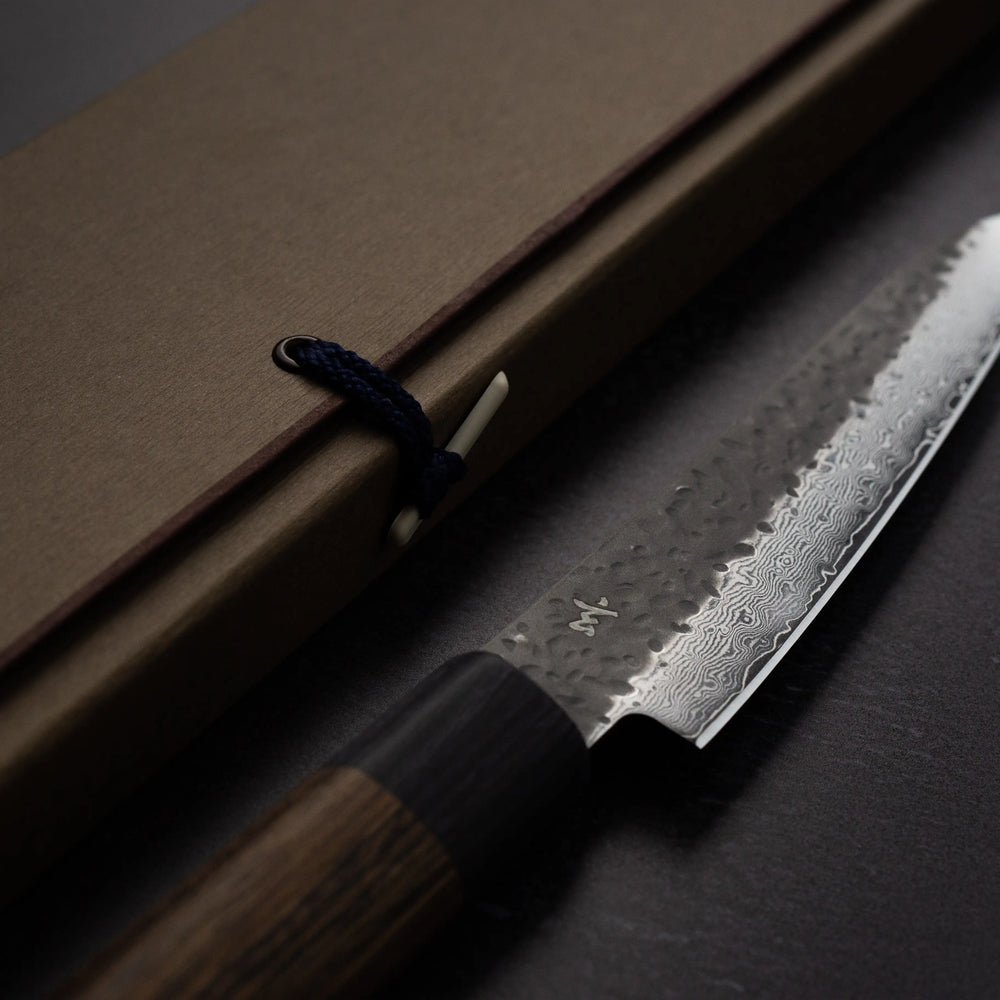
The Kodama (tree soul) series of knives in which we can say that Makoto Kurosaki confirmed his title of dentōkugei-shi, a licensed grandmaster of traditional blacksmithing.

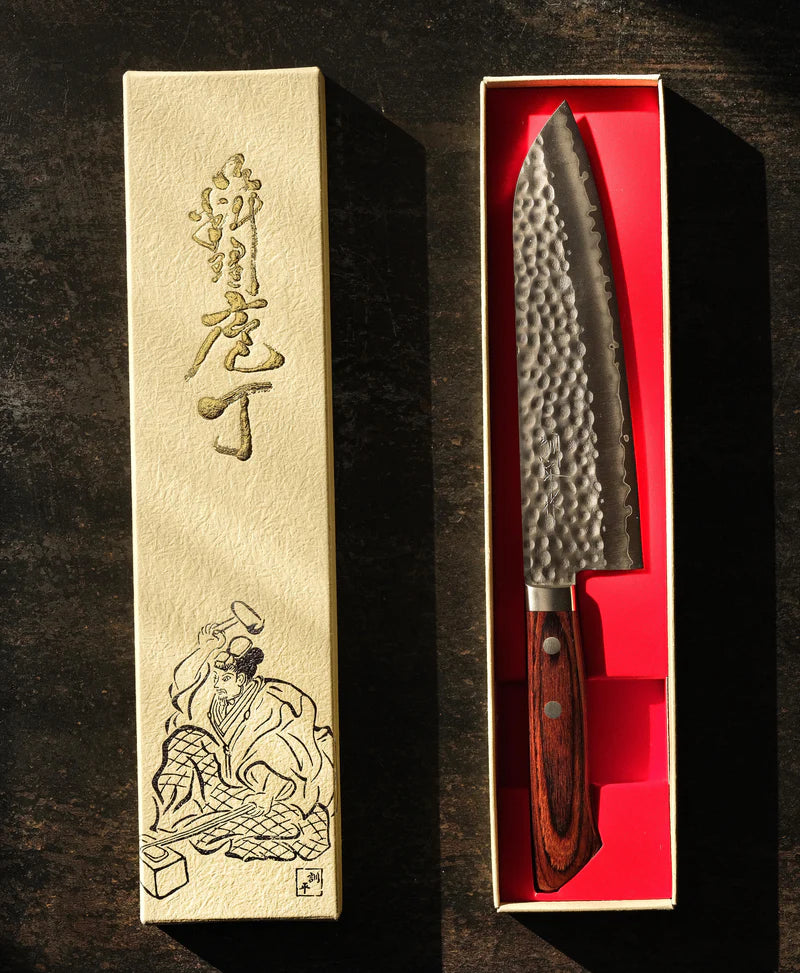
The truly impressive damascus on this blade can be seen as the haiku poetry of a master blacksmith: raindrops in the ocean, the years of a tree, the eternal undulation of nature.

The blade is made using the San-mai technique with a VG10W steel blade. In practice, VG10W steel behaves almost the same as VG10, but by adding tungsten (W), the toughness and hardness of the steel increases after the forging and tempering process. VG10W can therefore be called an improved version of the traditional VG10.

Santoku, which translates to "three virtues", got its name from its exceptional ability to process meat, fish and vegetables with ease. Thanks to its versatility and perfect balance, this knife shape has become the ultimate choice for households, while it is equally appreciated by professional chefs who prefer shorter, more precise blades.

The handle is light, made of light keyaki wood combined with a bright green pakka wood collar. This color symbolizes the eternal renewal of nature and will bring freshness and liveliness to any kitchen. The octagonal shape of the handle provides the user with a well-balanced, non-slip grip.

Specifications

Manufacturer: Makoto Kurosaki
Blade type: Santoku
Blade length: 165mm
Total length:
Knife weight:
Blade type: Double bevel
Thickness in the back: 2mm
Steel: VG10W
Hardness HRC: 61±1

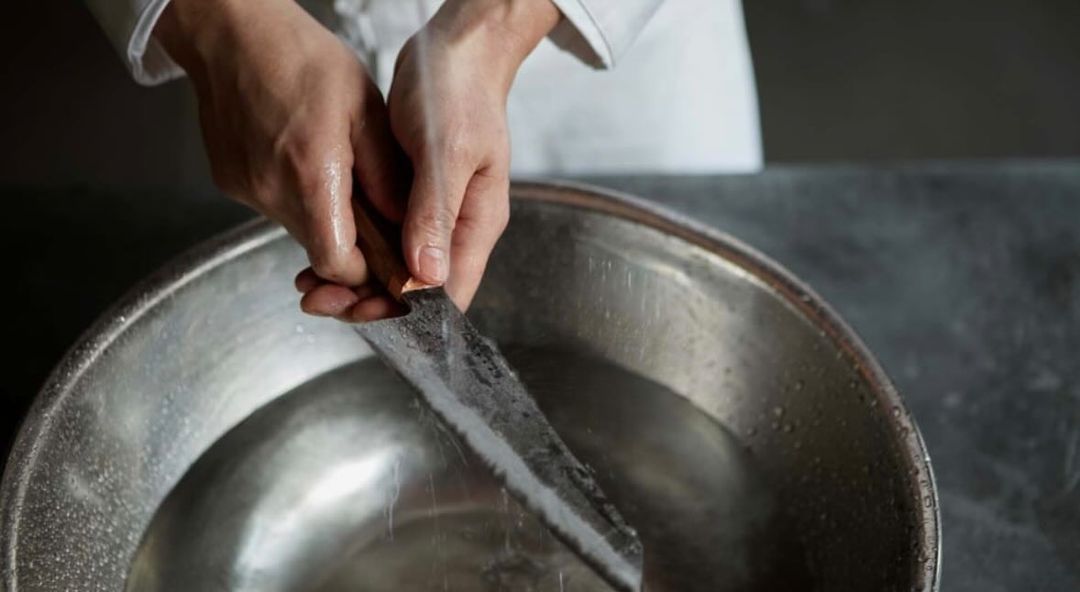
After use, wash the knife by hand with lukewarm water and dry it.
Store the knife in a safe place where it will not collide with other utensils.

The best way to sharpen Japanese knives is by hand on a stone. We offer a professional kitchen knife sharpening service. If you decide to sharpen your knife yourself, take a look at the offer of sharpening stones on the website.

You use your knife to perform the tasks for which it is intended. Do not use it for other purposes.

***AVOID***
- Washing the knife in the dishwasher.
- Cutting frozen foods.
-Cutting extremely hard foods such as bones, Parmesan rind, pits...
-Opening jars, cans or bottles.
-Using glass boards or cutting on the work surface.

Read more about knife maintenance on our blog: "Maintenance of Japanese knives".

Country of origin: Japan

Makoto Kurosaki

Makoto Kurosaki comes from the famous knife region of Ichizen and is the older brother of Yu Kurosaki. Both of them acquired their blacksmith skills with the legendary Hiroshi Kato, and Makoto still collaborates with the most respected craftsmen from Ichizen today. He is especially known for the art of sharpening and finishing, where he shapes each blade with quiet precision. Unlike its brother's boldly designed knives, Makoto's knives are characterized by balanced form, clean lines and uncompromising performance. His work combines tradition and superior finishing, representing the strength and durability of the Ichizen craft school.

  • Fast delivery from 1 to 3 days on the territory of Serbia.

  • You can always sharpen your knives with us.

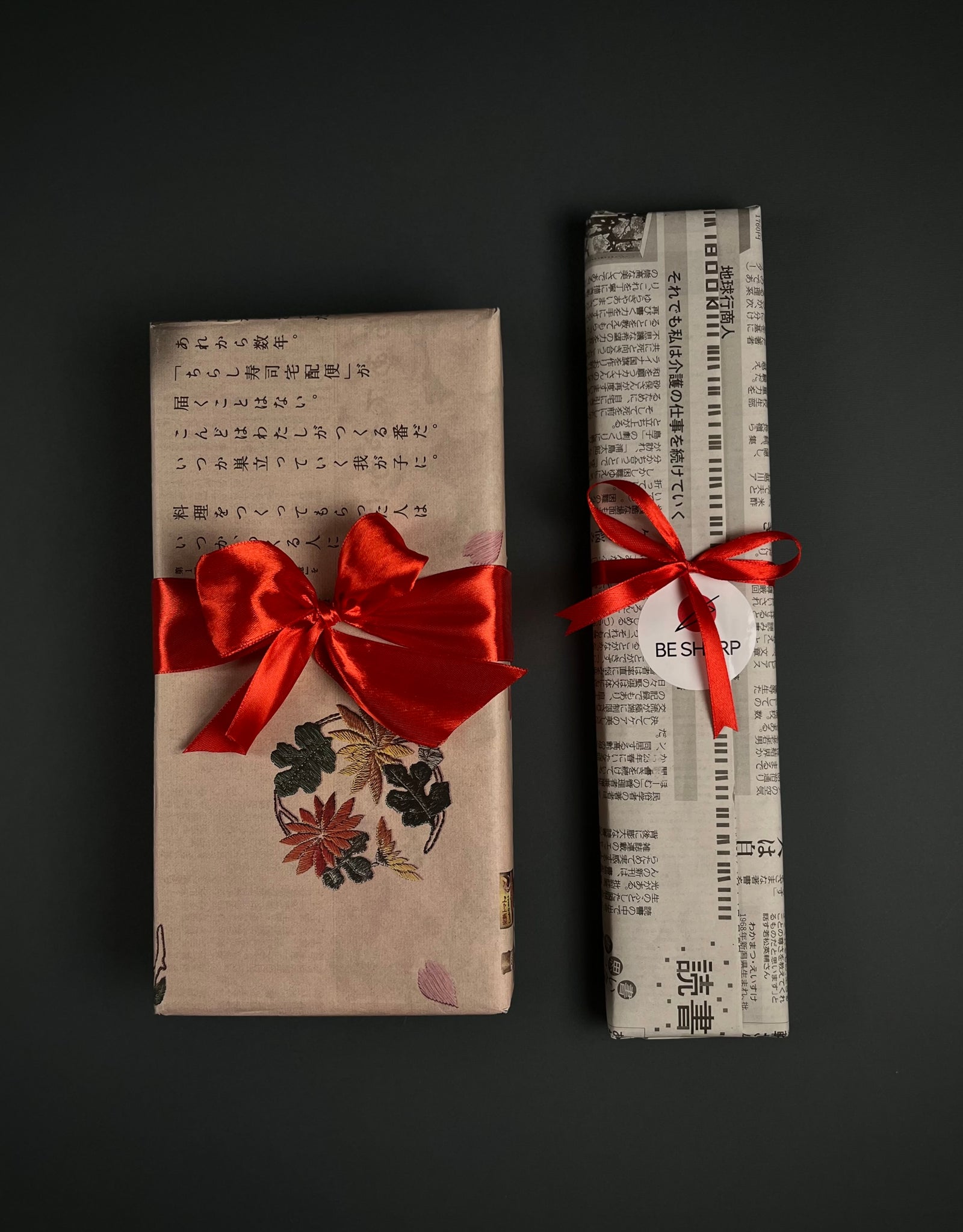
  • Free gift wrapping.

How to choose the first Japanese knife?

If you are buying your first Japanese knife, the advice is to choose a multifunctional blade shape that will cover the widest range of your needs in the kitchen. This includes Gyuto, Santoku and Bunka. The rule is that bigger people need bigger knives and vice versa.

Japanese knife as a perfect gift

Although in the culture of the Far East it is not recommended to give a blade as a gift because of the connection with cutting off good relations, they also could not resist the perfection of such a gift, so they devised a "trick" that allows them to gift knives without problems. Just ask for one coin from the person receiving the gift and in the eyes of strict superstition spirits it will be a fair exchange. Now no joke, a knife is a gift that unlike other transient things will be remembered forever because it will serve forever.

Everything you need to know about maintenance

  • Oštrenje japanskih noževa

    Sharpening Japanese knives

  • Briga i skladištenje

    Care and storage

We recommend for you: