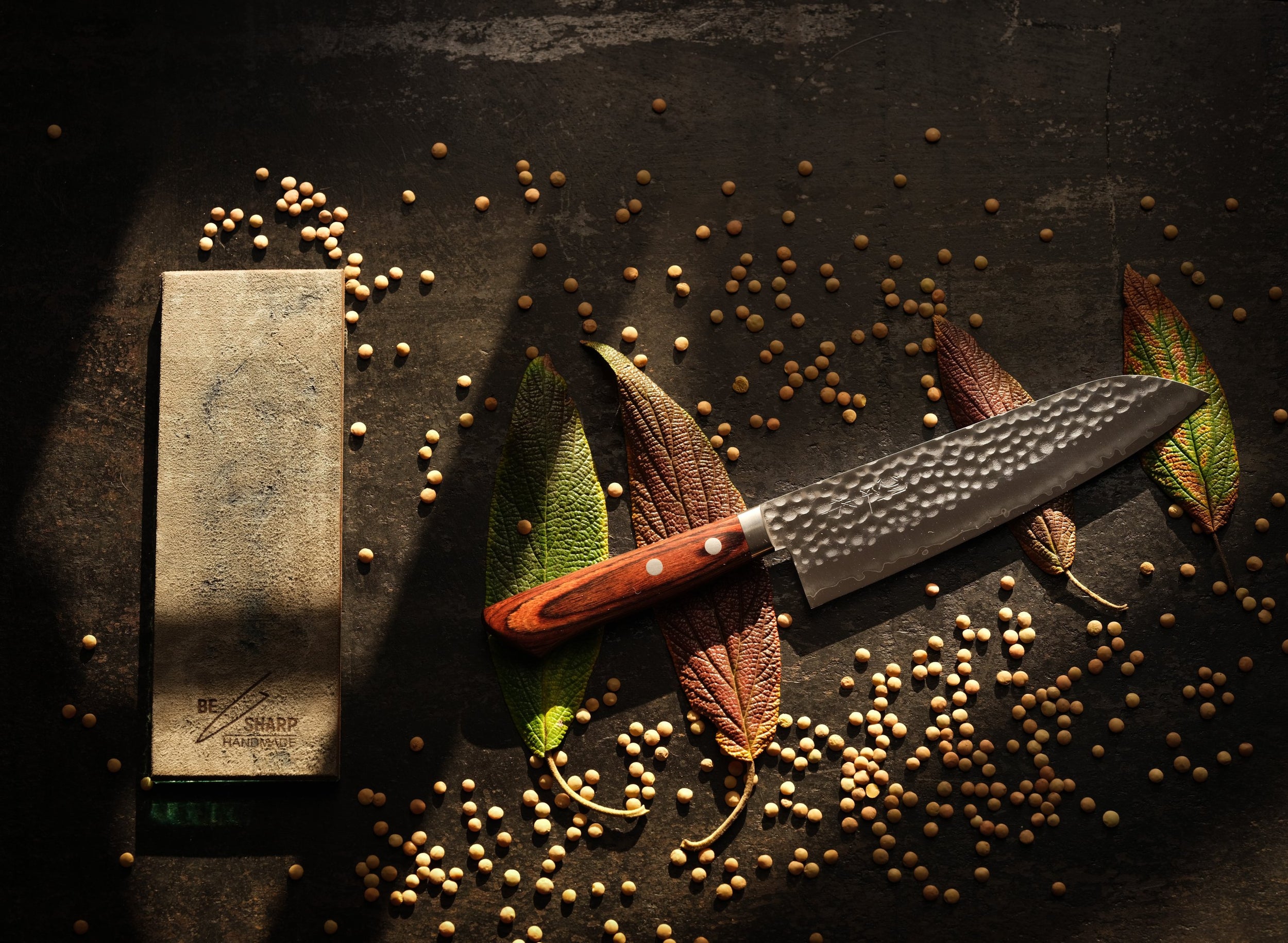

How to recognize a bad copy of a Japanese knife


How to recognize a bad copy of a Japanese knife
Japanese knives are known for their precision, quality of workmanship, carefully selected types of steel and long-lasting sharpness. Due to their success and reputation, products appear that look similar, but in terms of quality and performance, they are not even close to real Japanese knives.
Below we share clear and practical tips to help you avoid scams and bad copies when buying.
1. Check the origin of the manufacturer
A real Japanese knife will have in the description:
- the name of the forge or manufacturer
- clear model and series
- " Made in Japan " label

If the product is labeled without this information or the origin information is unclear to you, this is the first sign that it may not be an authentic Japanese product. It is best to check if there is an official website of the manufacturer where you can compare the model you know specifically. This gives you the assurance that the product comes from a legitimate source.
Examples:
2. Seller credibility
Buying from a seller who has experience with genuine Japanese knives greatly reduces the risk of making the wrong choice. Trusted sellers usually:
- clearly and transparently display information about the product,
- can answer questions about origin and materials,
- they have a reputation and reviews from satisfied customers.
If the seller cannot explain where the product comes from and who makes it, this is a signal that something is wrong.
3. Pay attention to the steel used
With Japanese knives, each series has the exact type of steel used such as VG-10, Aogami (Blue steel) Shirogami (White steel), AUS8, Aus10, SG2 or other Japanese steels listed. These alloys allow for the combination of sharpness and durability that is expected and adorns exclusively Japanese knives. If the description only contains general terms like " high quality steel " or " Japanese steel " without specifics, this is a sign of poor quality. This should not be taken as final proof as many plagiarists do not hesitate to use terms like VG10 steel. So, be on the lookout.
4. Price and promises
A quality Japanese knife includes:
- careful handcrafting,
- specific choice of materials
- controlled heat treatment
Because of this, the price of such a knife cannot be low.
If you see a product with marketing terms like " Japanese style " or " Japanese sharpness " but the price is significantly lower than you would expect for that class of knives, you can be sure that it is a bad copy. Consider that there are sellers who will charge you for these products at the price you could have bought a real Japanese knife.

5. Where is it produced?
Text phrases like " Japanese quality " without the exact country of origin designation are usually used to impress customers.
A genuine Japanese knife will be marked as made in Japan , while replicas often lack that information, or use vague and marketing-shaped wording.
Conclusion
Japanese knives are the result of many years of craftsmanship and careful processing of steel. The clearer the information about the manufacturer, materials and technical characteristics, the lower the risk of buying a copy. Before buying, check this information to make sure that you are buying the real thing for your money and not a bad and low-quality copy that you cannot be satisfied with.
Examples of bad copies (images are taken from the sites: Alibaba and Aliexpress)


Previous article

Next article


